The Jacket Nobody Wanted
Walk into any American closet today and you'll likely find one: the bomber jacket. Sleek, versatile, undeniably cool. What you probably don't realize is that you're wearing a piece of military history that the government once couldn't give away.
The story begins in 1917, when the U.S. Army faced a problem. Fighter pilots in open cockpits were freezing to death at high altitudes. The military commissioned a solution: the A-1 flight jacket, made of leather with a fur-lined collar and a front zipper. It was purely functional gear, designed to keep aviators alive in subzero temperatures.
By World War II, the design had evolved into the iconic A-2 and B-15 jackets we recognize today. The A-2 was brown leather with ribbed cuffs and waistband. The B-15, introduced in 1944, featured the now-famous orange lining — a safety feature so downed pilots could be spotted from the air.
These jackets became part of the fighter pilot mystique. They were worn by the Tuskegee Airmen, painted with nose art by bomber crews, and earned their stripes in the skies over Europe and the Pacific. But when the war ended in 1945, so did their military purpose.
The Great Surplus Dump
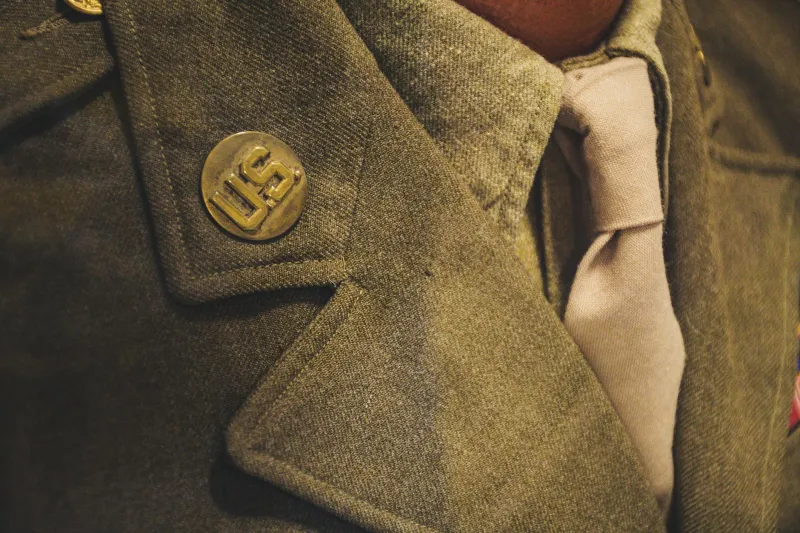
The U.S. military suddenly found itself with warehouses full of flight jackets and nowhere to put them. Newer synthetic materials were replacing leather, and the Air Force was moving toward different designs. The solution was simple: dump them into military surplus stores across America.
These surplus shops were treasure troves of unwanted military gear, selling everything from canvas tents to combat boots at rock-bottom prices. The bomber jackets sat on racks next to wool blankets and mess kits, priced to move. Most Americans walked right past them.
But not everyone.
The Rebels Find Their Uniform
In the early 1950s, a new breed of American teenager was emerging. They listened to rock and roll, rode motorcycles, and rejected the buttoned-up conformity of their parents' generation. These greasers and rebels were looking for clothing that matched their attitude — and they found it hanging in surplus bins.
The bomber jacket was perfect. It was leather, which already had outlaw associations thanks to motorcycle culture. It was military, which appealed to young men who'd grown up hearing war stories. And most importantly, it was cheap and available when mainstream fashion largely ignored teenage tastes.
Marlon Brando didn't wear a bomber in "The Wild One" (1953) — that was a Perfecto motorcycle jacket. But James Dean sported an A-2 flight jacket in "Rebel Without a Cause" (1955), cementing the connection between military surplus and teenage rebellion. Suddenly, every wannabe rebel needed one.
From Greasers to Punks to Everyone
The bomber jacket's journey through American counterculture was just beginning. In the 1960s, anti-war protesters wore them ironically — military gear repurposed by peace activists. The punk movement of the 1970s adopted them as part of their anti-establishment uniform, often decorated with patches and safety pins.
By the 1980s, something interesting happened. The jacket began crossing over from subculture to mainstream fashion. Hip-hop artists in New York started wearing oversized bombers. Hollywood began putting them on leading men who weren't rebels at all. The military surplus stores could barely keep up with demand.
Fashion designers took notice. They began creating their own versions — silk bombers, designer bombers, bombers in every color imaginable. The original military function was completely forgotten. These weren't flight jackets anymore; they were fashion statements.
The Irony of Going Mainstream
Here's where the story gets truly American: a piece of military equipment, rejected by the government that created it, became a symbol of rebellion against that same government — and then became so popular that the government started issuing it again.
In 1988, the Air Force brought back the A-2 jacket for flight crews, partly due to nostalgia and partly because the synthetic replacements weren't as durable. Meanwhile, every mall in America was selling civilian versions to teenagers who had no idea they were wearing military gear.
Why We're Still Wearing War Surplus
Today, the bomber jacket is as American as blue jeans — another piece of workwear that became fashion. You can buy one at Target or Nordstrom, from fast fashion retailers or luxury designers. Most cost more than those original surplus jackets ever did.
But the DNA is still there. That ribbed waistband and cuffs? Designed to seal out wind at 20,000 feet. The front zipper? Revolutionary aviation technology from the 1930s. The relaxed fit? Cut to accommodate flight gear and parachute straps.
Every time you zip up a bomber jacket, you're wearing a piece of military history that nobody wanted until American rebels decided it was cool. It's a perfect example of how things trace back to places we'd never expect — and how rejection by authority often becomes the first step toward cultural acceptance.
The next time you see someone in a bomber jacket, remember: they're wearing government surplus that took a detour through decades of rebellion before landing in mainstream fashion. It's the most American fashion story ever told.