The Despised Orange Candy That Accidentally Built America's Breakfast Empire
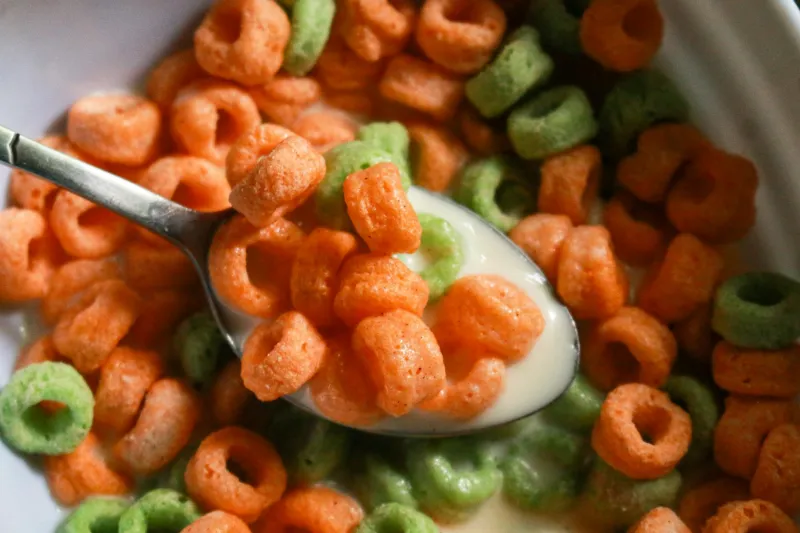
The Most Hated Candy in America
Walk into any candy aisle today, and you'll find them lurking in the corner — those peculiar orange foam peanuts that taste like artificial banana and have the texture of flavored Styrofoam. Circus peanuts have been America's most polarizing candy for decades, the kind of treat that sits untouched in Halloween bowls long after the good stuff disappears.
But in 1963, these unloved orange oddities accidentally sparked one of the most successful cereal launches in American history.
A Late-Night Grocery Store Wandering
John Holahan was having trouble sleeping. The General Mills product developer found himself wandering the aisles of a Minneapolis grocery store at an ungodly hour, his mind churning over his latest assignment: create a new breakfast cereal that could compete with the growing children's market.
Cereal in the early 1960s was serious business — think Cheerios, Wheaties, and other sensible breakfast options that parents approved of. But Holahan had noticed something: kids were gravitating toward sweeter, more colorful options. The breakfast table was ripe for disruption.
As he meandered through the candy section, something caught his eye. A bag of circus peanuts sat on the shelf, those bizarre foam confections that had somehow survived in American candy culture despite being universally mocked. Most people couldn't even describe their flavor accurately — was it banana? Orange? Some unholy combination?
The Strangest Breakfast Experiment Ever
What happened next defied all logic. Holahan bought the circus peanuts, took them home, and began cutting them into small pieces with a pair of kitchen scissors. Then, in a moment that would reshape American breakfast culture, he dumped the chopped-up candy into a bowl of Cheerios and poured milk over the whole mess.
The result should have been disgusting. Instead, something magical happened.
The circus peanut pieces behaved like tiny sponges, absorbing the milk and softening into chewy, marshmallow-like morsels. The artificial flavoring that made circus peanuts so polarizing as standalone candy somehow worked perfectly when diluted and combined with the neutral taste of grain cereal. The contrast between the crunchy oat pieces and the soft, sweet chunks created an entirely new breakfast experience.
From Kitchen Counter to Corporate Boardroom
Holahan brought his bizarre creation to work the next Monday, fully expecting his colleagues to think he'd lost his mind. Instead, the response was immediate and enthusiastic. The combination of textures and flavors hit something primal in the American sweet tooth — it was like eating dessert for breakfast, but somehow more acceptable because it still contained actual cereal.
General Mills' marketing team saw the potential immediately. But they faced a significant challenge: how do you sell a cereal based on the most hated candy in America?
The answer was brilliant in its simplicity. They wouldn't call them circus peanut pieces — they'd rebrand them as "marshmallows." Never mind that they were technically made from the same basic ingredients as those despised orange foam peanuts. The word "marshmallow" conjured images of campfires and s'mores, wholesome American traditions that parents could get behind.
The Lucky Charms Revolution
Lucky Charms launched in 1964, and the tagline "They're magically delicious!" became instantly iconic. The cereal's success was immediate and sustained — it tapped into something fundamental about American childhood, the desire to make breakfast feel like a treat rather than a chore.
But the real genius wasn't just in the product itself. Lucky Charms proved that Americans would accept almost anything as breakfast food if you packaged it correctly and added enough sugar. It opened the floodgates for an entire generation of dessert-like cereals: Trix, Cocoa Puffs, Cookie Crisp, and dozens of others.
The Circus Peanut Connection Nobody Talks About
General Mills has never officially acknowledged the circus peanut origin story, and for good reason. Admitting that one of America's most beloved cereals was inspired by its most reviled candy would be a marketing nightmare. The official company line credits Holahan with the "marshmallow" innovation, carefully avoiding any mention of those orange foam predecessors.
But food historians and former General Mills employees have confirmed the connection over the years. The texture, the artificial flavoring, even the manufacturing process — Lucky Charms marshmallows are essentially tiny, rebranded circus peanuts.
Why This Accident Still Matters
Today, Lucky Charms generates over $200 million in annual sales, and the cereal aisle is packed with imitators trying to recapture that original magic. Every time a parent caves to their child's demands for "the one with the marshmallows," they're participating in a tradition that began with one man's inexplicable decision to chop up the worst candy in America.
The story of Lucky Charms proves that innovation often comes from the most unexpected places. Sometimes the key to success isn't creating something entirely new — it's taking something everyone hates and finding a completely different context where it suddenly makes perfect sense.
So the next time you see those sad circus peanuts sitting in the candy aisle, remember: you're looking at the unlikely godfather of American breakfast cereal innovation. They may be unloved in their original form, but they accidentally created something that's been making mornings a little more magical for sixty years.