How Sugar Rationing Accidentally Rewired America's Taste Buds
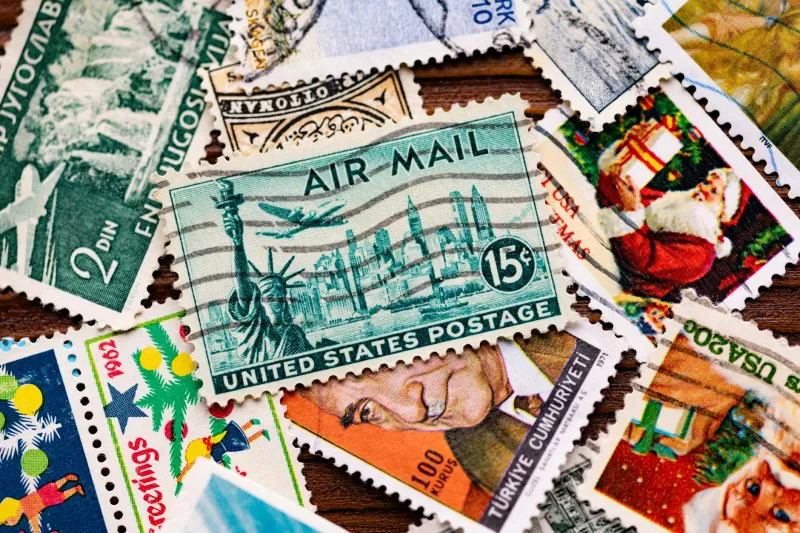
The Ration Card That Changed Everything
In May 1942, the U.S. government did something that would permanently alter the American palate: it rationed sugar. Each family got a little book of stamps allowing them just eight ounces of sugar per person per week—roughly half of what Americans had been consuming. It seemed like a temporary wartime sacrifice. Instead, it became the moment that transformed American food from naturally sweet to artificially supercharged.
When America's Sweet Tooth Hit a Wall
Before Pearl Harbor, American sugar consumption was already climbing, but it was primarily cane sugar from Cuba and the Philippines. The war changed everything overnight. German U-boats were sinking sugar ships. Japanese forces controlled key sugar-producing regions. Suddenly, the sweetener that defined American desserts and processed foods became a strategic resource.
Food manufacturers faced a crisis. Their recipes depended on sugar not just for sweetness, but for texture, preservation, and browning. Coca-Cola's formula, Hershey's chocolate bars, Wonder Bread—everything needed reformulation. Fast.
The Great Sweetener Scramble
What happened next was industrial improvisation on a massive scale. Companies that had never looked beyond cane sugar suddenly became chemistry labs, experimenting with corn syrup, saccharin, and anything else that could approximate sweetness.
Corn processors, previously focused on animal feed and industrial starch, saw an opportunity. Corn syrup had existed since the 1800s, but it was considered inferior to cane sugar—less sweet, with an odd aftertaste. During wartime rationing, "inferior" became "available," and that made all the difference.
Bakers started mixing corn syrup into bread recipes. Candy makers blended it with whatever cane sugar they could obtain. Soft drink companies reformulated their syrups. These weren't permanent changes—just wartime workarounds until normal sugar supplies returned.
The Taste Shift Nobody Noticed
But here's what nobody anticipated: American taste buds adapted. Corn syrup doesn't taste exactly like cane sugar. It's less intensely sweet upfront but lingers longer on the tongue. It changes how other flavors interact. Foods made with corn syrup needed more salt to balance the sweetness, more vanilla to mask the corn notes, more everything to achieve the same flavor impact.
Within two years of rationing, American processed foods had subtly but permanently shifted toward a more complex, layered sweetness. Consumers didn't consciously notice—they just knew their favorite brands still tasted "right," even though the recipes had fundamentally changed.
The Artificial Revolution
Saccharin, the artificial sweetener discovered in 1879, also got its big break during wartime. Previously marketed mainly to diabetics, it suddenly appeared in mainstream products as manufacturers stretched their sugar rations. Americans got their first mass exposure to synthetic sweetness—and many didn't mind it.
This was crucial psychological conditioning. Before the war, artificial flavors were seen as cheap substitutes for "real" ingredients. Rationing normalized the concept that synthetic could be just as good as natural—sometimes better, because it was more consistent and didn't depend on agricultural variables.
When the War Ended, the Sweetness Didn't
Sugar rationing officially ended in 1947, but American food never went back to its pre-war baseline. Manufacturers had spent five years perfecting corn syrup blends and artificial sweetener combinations. Why abandon that research when corn was cheaper than imported cane sugar?
More importantly, consumer expectations had shifted. The wartime generation had grown accustomed to more intensely flavored foods. Returning to simpler, less sweet formulations would have felt like a downgrade. So manufacturers kept the new recipes and marketed them as improvements.
The High-Fructose Revolution Was Already Brewing
By the 1950s, corn syrup had become a permanent fixture in American food manufacturing. When scientists developed high-fructose corn syrup in the 1970s—even sweeter and cheaper than regular corn syrup—the infrastructure was already in place. American palates had been primed for decades to accept, even prefer, this artificial intensity.
The wartime sugar shortage had inadvertently created demand for a sweetness that didn't exist in nature. High-fructose corn syrup didn't just replace cane sugar; it amplified the flavor profile that rationing had established.
How a Temporary Fix Became Permanent Flavor
Today, the average American consumes roughly 150 pounds of sweeteners annually—triple the 1942 rationed amount. But it's not just the quantity that changed; it's the type and intensity. Modern processed foods contain sweetness levels that would have been impossible with pre-war cane sugar alone.
That Coca-Cola you're drinking? It's sweeter than the 1941 version. Those breakfast cereals marketed to kids? They contain sweetener combinations that didn't exist before rationing forced innovation. Even savory foods like bread, crackers, and pasta sauce now contain sweeteners that trace their lineage back to wartime substitutions.
The Unintended Consequence
Sugar rationing was designed to support the war effort, not to rewire American taste preferences. But by forcing manufacturers to experiment with alternatives, it accidentally created the template for modern processed food: unnaturally sweet, artificially enhanced, and engineered to be more intense than anything found in nature.
The government thought it was temporarily restricting sugar. Instead, it permanently expanded what Americans considered sweet enough. When those ration cards disappeared, the taste for artificial intensity remained—and the food industry was happy to supply it.
So the next time you wonder why American food tastes different from the rest of the world, remember those little ration stamps from 1942. They were supposed to limit sugar consumption. Instead, they launched the era of synthetic sweetness that defines American processed food today.