
The Warm World Before Ice
Walk into any American restaurant today and watch what happens when you order water. Without asking, your server will fill a glass with ice and pour water over it. This ritual is so automatic that most Americans don't realize how weird it looks to the rest of the world, where cold drinks are often considered unhealthy and ice is added only by special request.
But for most of American history, serving a cold drink was an impossible luxury. Ice had to be cut from frozen lakes during winter, packed in sawdust, and stored in underground warehouses where most of it would melt before summer arrived. Only the wealthiest families could afford to keep ice year-round, and even they used it sparingly.
Then one Boston eccentric bet his entire fortune on a scheme so ridiculous that his friends tried to have him committed: shipping ice to the Caribbean.
The Madman's Gamble
Frederic Tudor was 22 years old in 1805 when he announced his plan to harvest ice from New England ponds and sell it in the West Indies. His family was horrified. His business partners abandoned him. Local newspapers mocked him as "the Ice King," and not in a flattering way.
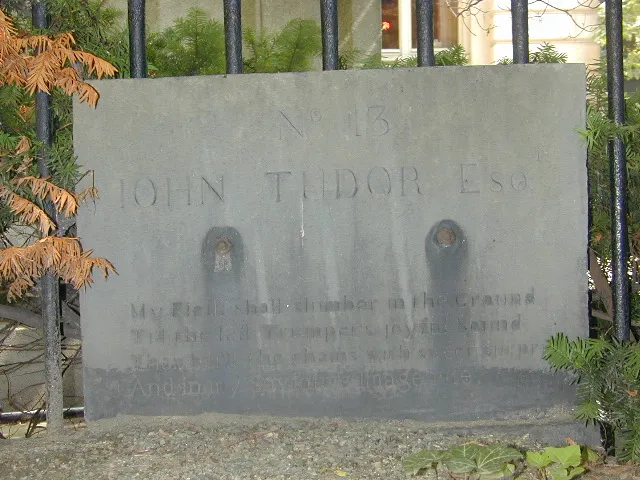 Photo: Frederic Tudor, via www.iceharvestingusa.com
The idea seemed genuinely insane. Why would people living in tropical climates pay money for frozen water when they could drink perfectly good room-temperature beverages? How could ice possibly survive a sea voyage to the Caribbean? What kind of business model was based on shipping a product that literally evaporated?
Tudor didn't care about the skeptics. He had experienced the luxury of cold drinks during a particularly hot Boston summer and become convinced that people everywhere would pay for the same refreshing experience. He just needed to figure out how to get ice to them before it melted.
Trial, Error, and Sawdust
Tudor's first shipment to Martinique in 1806 was a disaster. He loaded 130 tons of ice onto a ship bound for the Caribbean, but had no idea how to preserve it during the voyage. By the time the ship reached tropical waters, Tudor's ice had become expensive seawater. He lost his entire investment and went deeply into debt.
Most people would have given up, but Tudor was obsessed. He spent the next several years experimenting with different preservation methods, testing various insulating materials, and studying the physics of ice storage. He discovered that sawdust was an incredibly effective insulator—ice packed in sawdust could survive for months, even in hot climates.
More importantly, Tudor realized he needed to create demand for his product, not just supply it. Ice wasn't useful unless people knew what to do with it.
Creating the Cold Drink Revolution
Tudor's breakthrough came when he started working with bartenders and hotel owners in tropical cities. Instead of just selling ice, he taught them how to use it. He showed bartenders how cold drinks could be more refreshing than warm ones. He demonstrated to hotel owners how ice could preserve food and create new menu options.
Most crucially, Tudor introduced the concept of the "cold drink" as a luxury experience. In hot Caribbean cities, he positioned iced beverages as sophisticated, American-style refreshments that wealthy locals should want to try. He wasn't just selling frozen water—he was selling a lifestyle.
The strategy worked brilliantly. By the 1820s, Tudor's ice was in demand throughout the Caribbean, and he had expanded to markets in South America and India. Wealthy plantation owners served iced drinks to impress guests. Hotels advertised their ice-cold beverages as premium amenities. Tudor had created an entirely new market category.
The Technology That Changed Everything
Tudor's success wasn't just about marketing—he also revolutionized ice harvesting and storage technology. Working with inventor Nathaniel Wyeth, Tudor developed efficient tools for cutting uniform ice blocks from frozen ponds. They built specialized ice houses with double walls and sawdust insulation that could preserve ice for months.
 Photo: Nathaniel Wyeth, via alchetron.com
These innovations made ice affordable for middle-class Americans, not just wealthy tropical customers. By the 1840s, ice delivery was becoming common in American cities. Ice wagons made regular rounds through neighborhoods, bringing cold storage to ordinary households.
The availability of cheap ice transformed American eating and drinking habits. Families could preserve fresh food longer, expanding their diets beyond salted and dried ingredients. Cold beverages became an everyday pleasure rather than a special occasion luxury.
Why Americans Became Ice Addicts
Tudor's ice empire had an unexpected consequence: it trained Americans to prefer cold drinks over warm ones. Unlike European countries, where traditional beverages were served at cellar temperature or room temperature, America developed a culture that associated cold drinks with luxury, health, and sophistication.
This preference became deeply embedded in American culture. When mechanical refrigeration was invented in the late 1800s, Americans immediately embraced it because they were already accustomed to cold drinks. When electric refrigerators became affordable in the 1920s, American families filled them with ice trays and cold beverages.
European countries, by contrast, maintained their traditional drinking temperatures even after refrigeration became available. They saw no reason to change centuries-old beverage traditions just because technology made cold drinks possible.
The Global Divide That Still Exists
Today, the difference between American and international drinking cultures remains stark. Americans consume more ice per capita than any other country in the world. American fast-food chains have had to modify their beverage service when expanding internationally because foreign customers often find ice-filled drinks unpleasantly cold.
McDonald's serves drinks with minimal ice in most European countries. Starbucks offers "light ice" options in Asian markets. American tourists abroad often complain that their drinks aren't cold enough, while foreign visitors to the United States are surprised by how much ice they receive without asking.
The Ice King's Lasting Legacy
Frederic Tudor died wealthy in 1864, having built an ice empire that employed thousands of workers and supplied cities around the world. But his most important legacy wasn't financial—it was cultural. Tudor's obsessive gamble on cold drinks fundamentally changed how Americans think about beverages.
Every time an American automatically expects ice in their drink, they're participating in a cultural tradition that began with one man's seemingly crazy idea in 1805. Tudor didn't just create a business; he rewired an entire nation's relationship with temperature and refreshment.
The next time someone from another country seems puzzled by the amount of ice in their American beverage, you can trace that confusion back to Frederic Tudor's sawdust-packed ships sailing toward the Caribbean with their impossible cargo of frozen New England pond water. Some cultural differences really do have specific moments of origin, and America's love affair with cold drinks began with the Ice King's magnificent obsession.