When Nobody Wanted Uncle Sam's Leftover War Gear — And It Built America's Escape Culture
The Great War Surplus Problem
When the armistice was signed in November 1918, the United States found itself with an enormous logistical headache. Warehouses across the country overflowed with military equipment that had been manufactured for a war that was now over. Canvas tents designed to house soldiers in French trenches sat in stacks. Portable camp stoves built for battlefield cooking gathered dust. Thousands of folding cots that never made it overseas filled storage facilities from coast to coast.
The government tried everything to offload this surplus. They offered it to other military branches, to allied nations, even to charitable organizations. But there were simply too many tents, too many stoves, and too many cots for anyone to want them in bulk.
When Retailers Got Creative
By 1919, desperate government officials began selling the surplus equipment to anyone willing to buy it — and they were practically giving it away. A military-grade canvas tent that had cost the government $50 to manufacture was being sold for $3. Camp stoves went for pocket change. Folding cots were cheaper than a restaurant meal.
Smart retailers across the country recognized an opportunity. Army surplus stores began popping up in major cities, marketing these rugged military goods to civilians. The pitch was simple: this equipment was tough enough for soldiers, so it could handle anything a regular person could throw at it.
The Birth of Weekend Warriors
What happened next surprised everyone. Americans in the 1920s were experiencing something unprecedented — leisure time. The 40-hour work week was becoming more common, automobiles were affordable thanks to Henry Ford's assembly line, and a growing middle class had disposable income for the first time.
These cheap military supplies arrived at the perfect moment. Suddenly, a family could outfit themselves for outdoor adventures without breaking the bank. A complete camping setup that would have been prohibitively expensive with civilian gear could be assembled for less than $20 using military surplus.
Roads, Cars, and Canvas Dreams
The timing couldn't have been better. The Federal Aid Highway Act of 1921 was pumping money into road construction, creating better routes between cities. Car ownership was exploding — from 8 million vehicles in 1920 to 23 million by 1930. Americans were mobile like never before, and they had the gear to sleep anywhere.
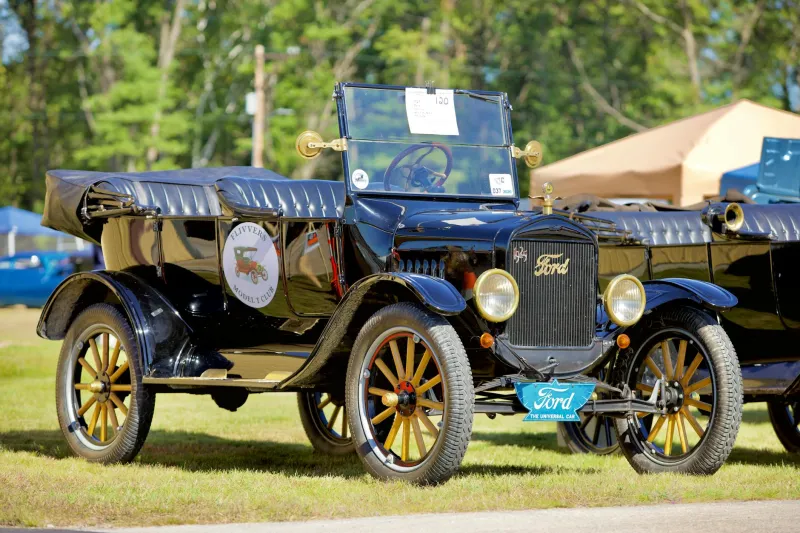
Families began loading up their Model T Fords with surplus tents and camp stoves, heading out to explore the country. National parks, which had been accessible mainly to wealthy tourists who could afford hotel accommodations, suddenly welcomed middle-class families with their military-surplus camping setups.
The Industry That Grew from Leftovers
By the mid-1920s, what started as a surplus disposal problem had evolved into a legitimate industry. Companies like Coleman began manufacturing civilian versions of military equipment, improving on the designs and adding consumer-friendly features. L.L. Bean started his mail-order business partly by selling refined versions of military surplus gear.
The surplus market had proven there was huge demand for portable, durable outdoor equipment. Entrepreneurs rushed to fill that demand with purpose-built recreational gear. The camping industry was born not from careful market research, but from a pile of unwanted military leftovers.
Creating the Great American Escape
What emerged from this accidental industry was something uniquely American: the idea that anyone could just pack up and disappear into nature for a weekend. This wasn't the European model of outdoor recreation, which required expensive equipment and formal training. This was democratic camping — rough, accessible, and available to anyone with a car and a few dollars.
The surplus-fueled camping boom created lasting cultural changes. It established the weekend road trip as an American tradition. It made national parks accessible to ordinary families. It created the template for everything from RV culture to modern glamping.
The Legacy Lives On
Today's $887 billion outdoor recreation industry can trace its DNA back to those surplus warehouses of 1919. The idea that Americans should be able to escape civilization at will, that outdoor gear should be functional and affordable, that camping is a democratic activity — all of these concepts emerged from the military's unwanted leftovers.
Every time you see a family loading camping gear into their SUV for a weekend getaway, you're witnessing the continuation of a tradition that began when the U.S. government couldn't figure out what to do with surplus war materials. Sometimes the most enduring cultural changes come not from grand plans, but from practical problems that need solving.
The next time you're setting up a tent or firing up a camp stove, remember: you're participating in an American tradition that exists because nobody wanted Uncle Sam's old war gear. From military surplus to weekend escape — that's how ordinary leftovers became extraordinary culture.