The Big Top Secret That Became New York's Loudest Language

When Lions Needed Better Management
Step into any traveling circus in 1880s America, and you'd witness something remarkable: a single trainer commanding massive animals across a noisy tent filled with hundreds of screaming spectators, crying children, and carnival barkers. The secret wasn't magic — it was a piercing, two-fingered whistle that could cut through any amount of chaos.
Circus performers had discovered what acoustics experts now confirm: certain frequencies travel farther and penetrate ambient noise better than others. The sharp, high-pitched blast produced by placing two fingers in your mouth and forcing air through the small opening creates a sound that registers around 120 decibels — louder than a chainsaw and impossible to ignore.
For animal trainers working with lions, elephants, and horses, this whistle became essential survival equipment. When a 400-pound lion decided to ignore verbal commands, a trainer needed something that could instantly grab attention across a three-ring circus.
From Center Ring to City Streets
As America's cities exploded in size during the late 1800s, urban dwellers faced their own version of the circus trainer's problem: how to communicate across increasingly noisy environments.
New York City in the 1890s was already a cacophony. Horse-drawn carriages clattered over cobblestones, street vendors shouted their wares, and the elevated trains that preceded the subway system created a constant metallic thunder overhead. Regular shouting simply didn't work anymore.
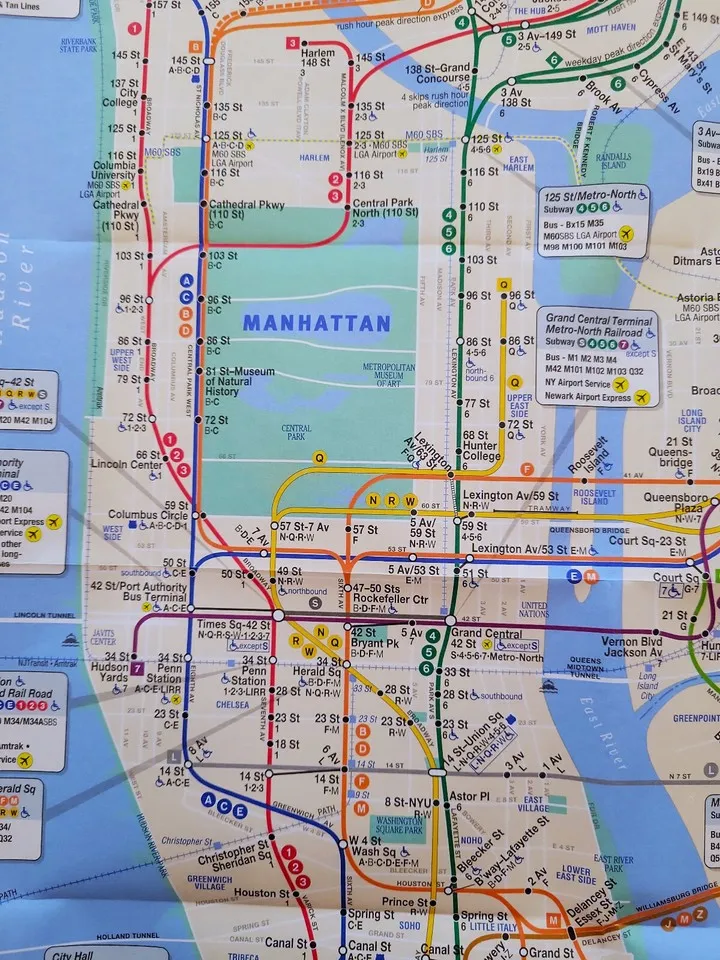 Photo: New York City, via i.ebayimg.com
That's when former circus performers, vaudeville acts, and traveling entertainers who had settled in cities began using their professional skills for everyday survival. The same whistle that had commanded performing animals proved equally effective at getting the attention of hansom cab drivers navigating crowded streets.
The Technique Goes Viral (1890s Style)
Word spread the way information always did in dense urban neighborhoods — through demonstration and imitation. Kids who hung around former performers learned the technique and taught their friends. Dock workers, who needed to communicate across noisy waterfronts, adopted the method. Street vendors discovered it could cut through market noise better than shouting.
By the early 1900s, the circus whistle had become unofficial urban communication protocol. But it was specifically in New York where the technique found its perfect application: hailing the growing fleet of motorized taxis that were replacing horse-drawn cabs.
Why New York Made It Iconic
New York City's unique geography and culture created the perfect storm for the taxi whistle to flourish. The city's grid system meant taxis traveled predictable routes, but the increasing density meant competition for rides was fierce. A whistle could reach a cabbie three blocks away, giving the whistler a significant advantage over someone merely waving their hand.
More importantly, the whistle matched New York's emerging cultural identity: direct, efficient, slightly aggressive, and unapologetically loud. In a city where subtlety was often mistaken for weakness, the taxi whistle became a perfect expression of urban confidence.
The Hollywood Amplification
Movies and television cemented the taxi whistle as quintessentially New York. From 1940s film noir to modern romantic comedies, the sharp blast became cinematic shorthand for "big city sophistication." Directors loved it because it was instantly recognizable and conveyed urban savvy without requiring dialogue.
This media representation created a feedback loop: tourists visiting New York expected to see (and hear) the taxi whistle, while New Yorkers embraced it as part of their city's brand. What had started as a practical communication tool became a cultural performance.
The Science Behind the Signal
Acoustic engineers now understand exactly why the circus whistle works so well in urban environments. The technique produces sound waves between 2,000 and 4,000 Hz — the exact frequency range that human ears are most sensitive to and that travels efficiently through air, even in noisy conditions.
The whistle also creates what acousticians call "acoustic startle response" — an involuntary reaction that makes people immediately look toward the sound source. This biological response, originally evolved to help humans detect predators, makes the taxi whistle almost impossible to ignore.
Beyond the Big Apple
While New York perfected the taxi whistle, the technique spread to other American cities facing similar urban noise challenges. Chicago dock workers, San Francisco construction crews, and Los Angeles studio lots all adopted variations of the circus whistle for their own communication needs.
But nowhere else did it become as culturally iconic as in New York, where the ability to whistle for a cab became a rite of passage for newcomers and a source of pride for natives.
The Digital Age Paradox
Today, ride-sharing apps have made the taxi whistle less practically necessary — you can summon an Uber with a quiet thumb swipe rather than a lung-powered blast. Yet the whistle persists, now more cultural artifact than practical tool.
New Yorkers still whistle for cabs partly out of habit, partly out of tradition, and partly because sometimes the old circus trick still works faster than waiting for an app to load. In a city built on efficiency, even outdated methods survive if they deliver results.
The next time you hear that sharp blast echoing off Manhattan's concrete canyons, remember: you're witnessing the urban evolution of a technique first perfected under circus tents, when trainers needed to tell a lion to sit and stay. The city just became another kind of circus, and we're all still learning the same tricks.