The Factory Shortcut That Rewired America's Taste Buds Forever
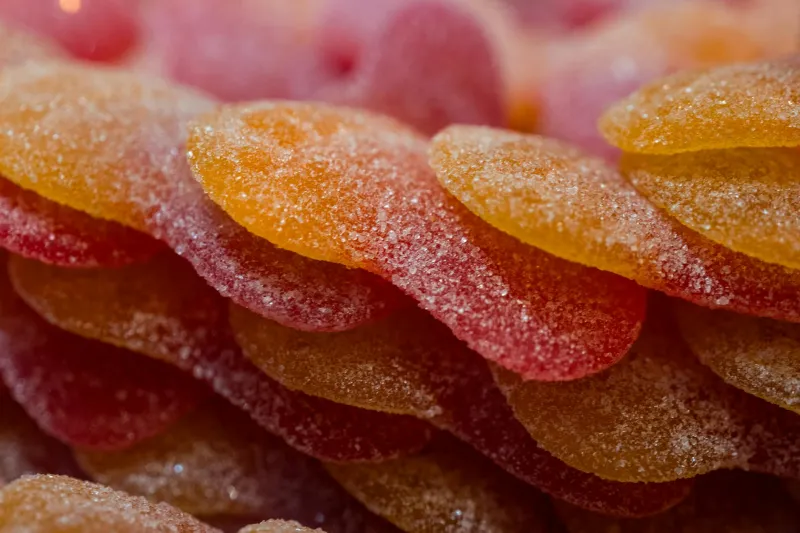
The Flavor Problem That Stumped an Industry
In 1922, the Curtis Candy Company faced a crisis that would reshape American taste preferences for the next century. They'd perfected a new artificial grape flavoring that actually tasted remarkably like real grapes — earthy, complex, and subtle. There was just one problem: when they made it purple, nobody wanted to buy it.
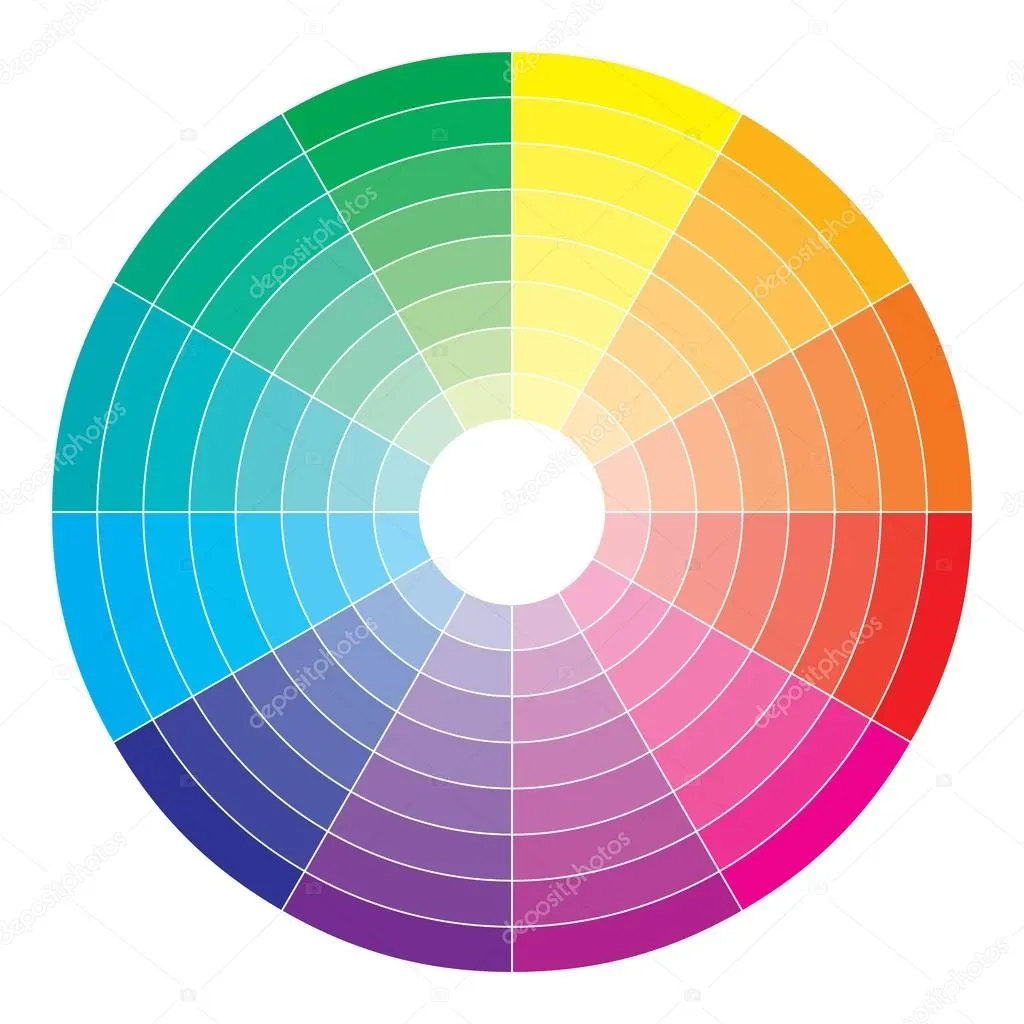 Photo: Curtis Candy Company, via i.pinimg.com
Focus groups consistently rejected the realistic grape candy, complaining it "didn't taste right" despite being chemically closer to actual grapes than anything previously available. Confused executives began experimenting with different colors for the same formula, and stumbled onto something that would change candy forever.
The Color That Sold a Flavor That Didn't Exist
When Curtis made their realistic grape flavoring bright purple — almost neon — sales exploded overnight. Customers loved it, describing the taste as "exactly what grape should be." The irony was perfect: the more artificial the color looked, the more authentic the flavor seemed to consumers.
This accidental discovery revealed something profound about human psychology that candy manufacturers quickly learned to exploit: people's expectations about flavor are shaped more by visual cues than by actual taste. The right color could make any flavor seem "correct," regardless of how it compared to the natural source.
Other manufacturers took note immediately. If bright purple could make artificial grape taste "right," what could other exaggerated colors accomplish?
The Orange Revolution That Ignored Actual Oranges
The success of artificial grape led to an even bolder experiment with orange flavoring. Real oranges presented a complex challenge for candy makers: natural orange flavor is subtle, varies significantly between varieties, and includes bitter notes that don't translate well to candy.
Instead of trying to replicate real oranges, manufacturers created something entirely new: a bright, sweet flavor that bore little resemblance to any orange that had ever grown on a tree. They paired it with a color so intensely orange it looked radioactive, and called it "orange flavor."
The result was another massive success. Children who had never tasted anything like it immediately identified it as "orange," and many actually preferred it to real oranges, which suddenly seemed dull and complicated by comparison.
The Cherry That Never Existed
Perhaps no artificial flavor illustrates this phenomenon better than "cherry." Walk into any candy store and you'll find dozens of "cherry"-flavored treats that taste nothing like any cherry variety found in nature. The flavor profile — intensely sweet with a slight medicinal undertone — was actually based on benzaldehyde, a compound that occurs naturally in bitter almonds.
Candy manufacturers discovered that this almond-derived flavoring, when paired with bright red coloring, created something consumers immediately accepted as "cherry flavor." The fact that it bore no resemblance to actual cherries didn't matter. The color-flavor combination was so successful that it became the standard, training generations of Americans to expect cherries to taste like almonds.
Real cherries, with their complex, subtle flavors, suddenly seemed wrong to palates trained on the artificial version.
The Circus Peanut Catastrophe That Proved the Rule
Nothing demonstrates the power of color-flavor conditioning like the infamous circus peanut — that orange, peanut-shaped candy that tastes unmistakably like banana. The origins of this bizarre combination trace back to a factory mistake in the 1930s, when a batch of banana-flavored candy was accidentally shaped like peanuts and colored orange instead of yellow.
Rather than throw away the mismatched batch, the company sold it as a novelty item. To their amazement, it became wildly popular precisely because it was so confusing. The disconnect between appearance and flavor created a memorable experience that customers talked about and sought out.
Circus peanuts proved that artificial flavors had become so divorced from their natural sources that consumers could accept virtually any combination as long as it was consistent and memorable.
The Training of America's Palate
By the 1950s, artificial candy flavors had become so dominant that many Americans experienced them before ever tasting their natural counterparts. Children raised on bright purple "grape" and radioactive orange "orange" found real grapes and oranges disappointing — too subtle, too complex, too variable.
This created a feedback loop that reinforced artificial flavors across the entire food industry. Ice cream, soda, and even medicine adopted the same exaggerated flavor profiles because that's what consumers now expected "grape," "orange," and "cherry" to taste like.
The Chemical Shortcut That Became the Standard
What had started as a practical solution to manufacturing limitations — using simple, stable compounds instead of complex natural flavors — evolved into a complete rewiring of American taste expectations. Artificial flavors weren't trying to replicate nature anymore; they were creating entirely new taste categories that happened to share names with natural foods.
The efficiency was remarkable: instead of extracting and preserving dozens of complex compounds from real fruits, manufacturers could create instantly recognizable "fruit" flavors using just a few artificial chemicals and the right colors.
The Legacy of the Great Flavor Deception
Today, most Americans can identify "grape flavor" immediately, despite the fact that it tastes nothing like any grape variety. We've been trained to accept artificial flavor profiles as the "correct" versions, with natural foods serving as pale imitations of their candy counterparts.
The candy industry's accidental discovery — that color shapes flavor perception more than actual taste — has influenced everything from children's cereal to energy drinks. We live in a world where artificial flavors have become more familiar than the natural foods they supposedly represent.
Those confused executives at Curtis Candy Company, trying to figure out why their realistic grape flavor was failing, accidentally created something far more powerful than better candy. They discovered how to manufacture taste preferences themselves, training an entire nation to crave flavors that exist nowhere in nature but everywhere in American culture.