The Word War That Changed How 300 Million People Say Hi
The Greeting That Almost Wasn't
Every day, hundreds of millions of Americans say "hello" without giving it a second thought. It's the most automatic word in our vocabulary — so fundamental to human interaction that it's impossible to imagine English without it. But here's what will blow your mind: before 1877, "hello" was essentially a non-word, a random collection of sounds that appeared in exactly zero dictionaries and meant absolutely nothing to anyone.
The transformation of "hello" from meaningless noise to universal greeting is one of the strangest stories in the English language. It involves two brilliant inventors locked in petty rivalry, a technological revolution that terrified the public, and the power of a single stubborn preference to reshape how every human conversation begins.
When Nobody Knew How to Answer a Telephone
Picture this: it's 1876, and Alexander Graham Bell has just demonstrated his revolutionary telephone at the Philadelphia Centennial Exhibition. Crowds gathered around his booth, mesmerized and slightly terrified by the device that could transmit human voices across impossible distances. But while everyone was amazed by the technology itself, nobody had any idea what you were supposed to say when someone called you.
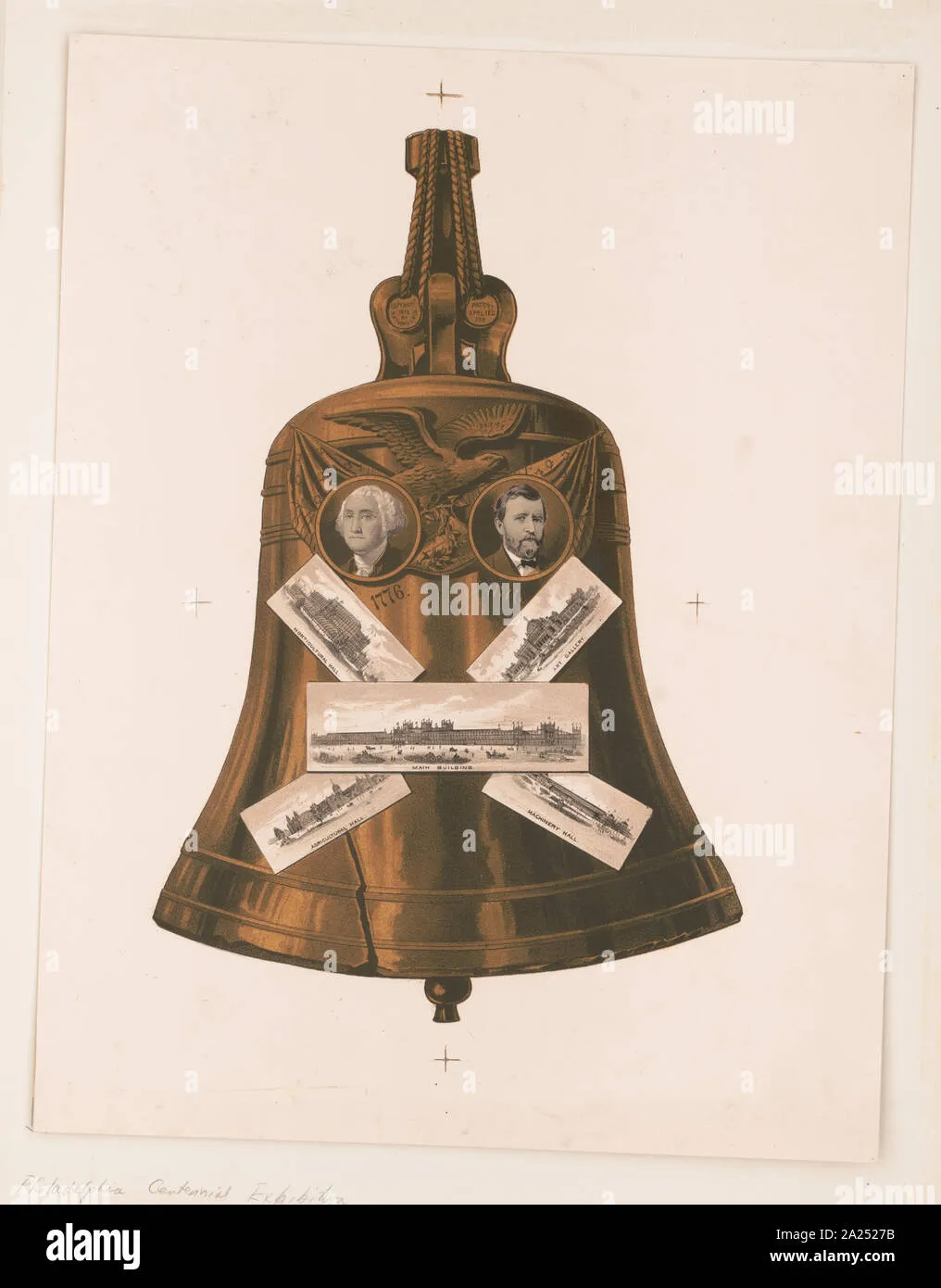 Photo: Philadelphia Centennial Exhibition, via c8.alamy.com
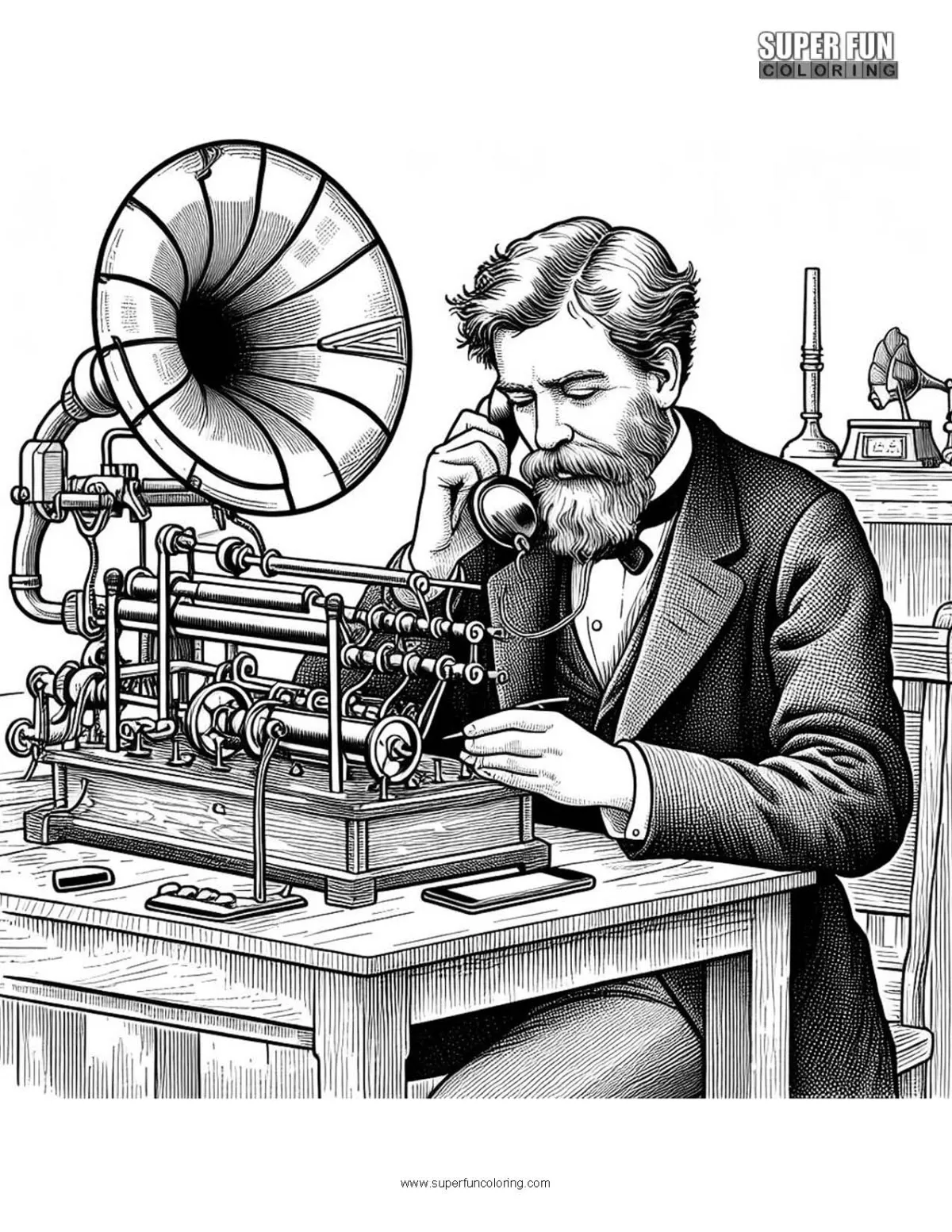 Photo: Alexander Graham Bell, via superfuncoloring.com
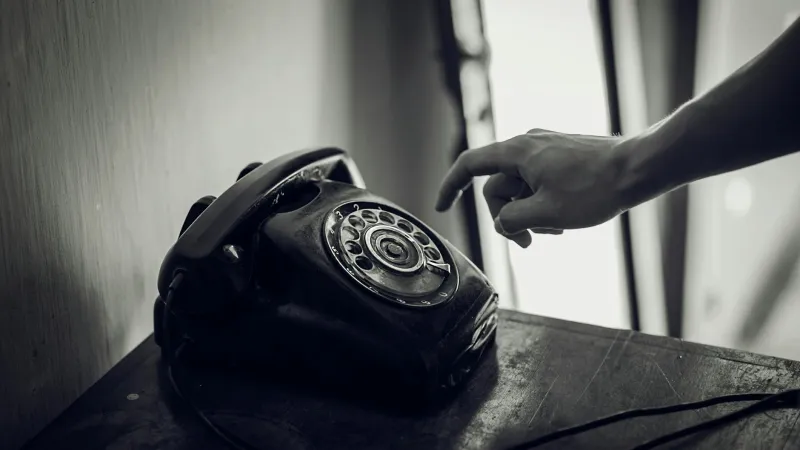
This wasn't a trivial problem. The telephone represented the first time in human history that people could have conversations without being in the same physical space. All the social protocols that governed face-to-face interaction — eye contact, body language, the natural flow of recognizing someone approaching — were suddenly irrelevant. When that strange new contraption rang, how were you supposed to respond?
Bell himself preferred "Ahoy," borrowing from naval tradition where sailors hailed ships across the water. It made logical sense — the telephone was essentially a device for hailing someone across the vast distances of early phone networks. "Ahoy" was already established in English as a long-distance greeting, and Bell believed it was the natural choice for his invention.
Edison's Linguistic Rebellion
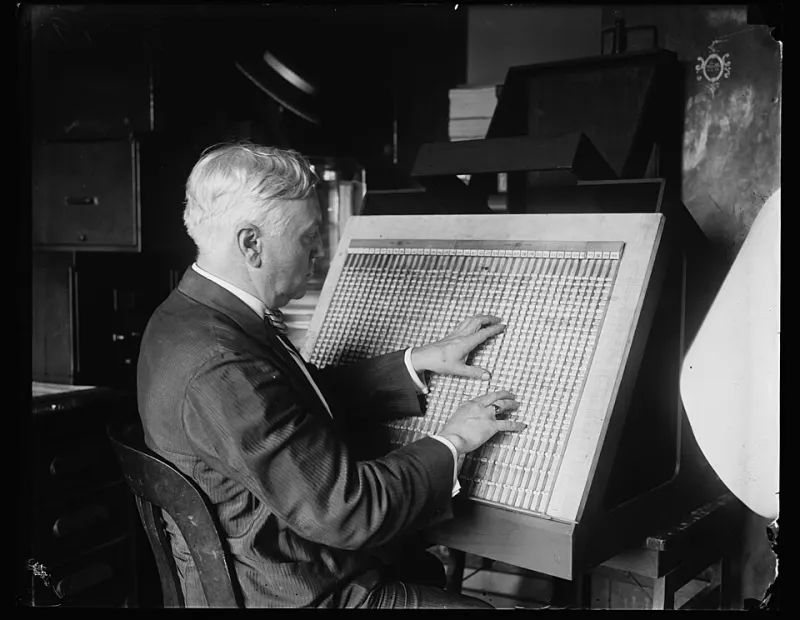
Thomas Edison had different ideas. The famous inventor, who was simultaneously working on his own improvements to telephone technology, believed "ahoy" was unnecessarily formal and maritime. Instead, he championed a peculiar word that barely existed in common usage: "hello."
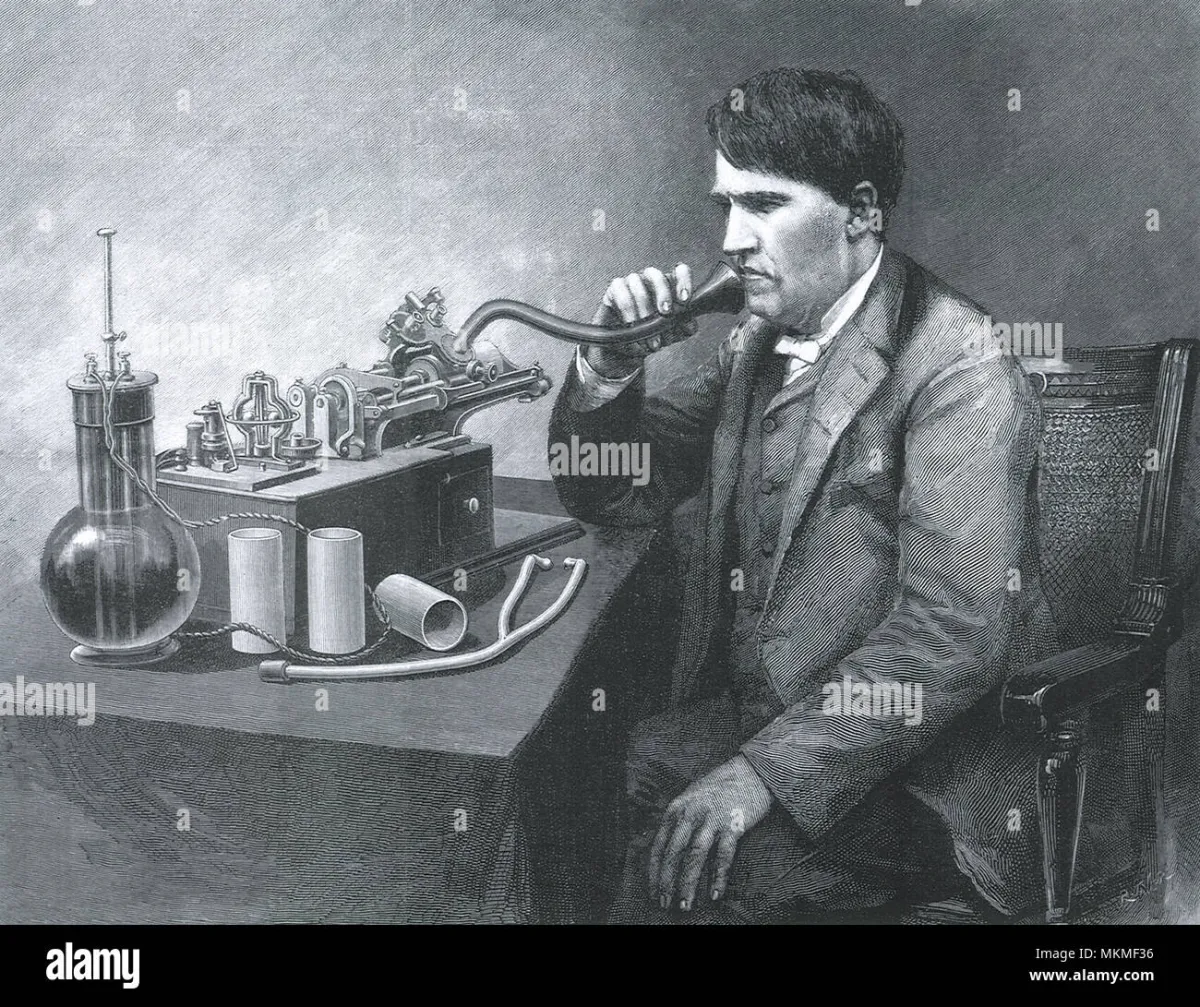 Photo: Thomas Edison, via c8.alamy.com
The word "hello" had occasionally appeared in print, usually as an expression of surprise (similar to "huh?" or "what?") or as a way to get someone's attention from a distance. But it wasn't a greeting in any meaningful sense. Most Americans had never heard it spoken aloud, and those who had wouldn't have thought to use it when meeting someone.
Edison's choice seemed almost random, but he was adamant about it. In his correspondence with telephone operators and in his public demonstrations of telephone technology, he consistently promoted "hello" as the proper way to begin a phone conversation. He believed the word was more energetic and attention-grabbing than Bell's formal "ahoy."
The Battle for America's Voice
What followed was essentially a linguistic war fought through the early telephone industry. Bell's telephone company trained their operators to answer with "Ahoy," while Edison's competing interests pushed "hello." Early telephone users found themselves caught between two competing standards, never quite sure which greeting would be appropriate or understood.
The rivalry extended beyond mere preference. Both inventors saw the telephone greeting as a way to establish their authority over this revolutionary technology. Whichever greeting became standard would serve as a daily reminder of who truly "owned" the telephone in the American imagination.
Bell had significant advantages in this battle. His patents gave him legal control over much of the telephone industry, and his company was rapidly expanding across major American cities. "Ahoy" had the backing of the established telephone infrastructure and the inventor who was widely credited with creating the device.
But Edison had something more powerful: an understanding of how ordinary people actually talked.
Why "Hello" Won the War
The decisive factor wasn't corporate power or patent rights — it was the practical reality of how telephone operators actually used these words. Early telephone systems required human operators to manually connect calls, and these operators spent their entire workdays saying the same greeting hundreds of times.
"Ahoy" might have sounded dignified, but it was a three-syllable word that felt formal and awkward when repeated constantly. "Hello," despite its strange origins, was shorter, punchier, and easier to say quickly. Telephone operators naturally gravitated toward Edison's preferred greeting because it made their jobs easier.
The operators were predominantly young women, and they became the de facto ambassadors for telephone etiquette. When someone called a business or residence, the first voice they heard was an operator saying "hello." Millions of Americans learned telephone protocol from these women, who had organically chosen Edison's greeting over Bell's.
The Accidental Linguistic Revolution
By 1880, "hello" had become the standard telephone greeting across most of America. But something unexpected happened: people began using it outside of telephone conversations. The word that had been specifically created for a new technology started appearing in face-to-face interactions, letters, and everyday conversation.
This was unprecedented in linguistic history. New words typically evolve slowly through natural usage patterns, but "hello" was artificially created for a specific technological purpose and then escaped into general usage. A word that didn't exist in most people's vocabulary in 1875 had become one of the most common words in English by 1885.
The speed of this transformation was mind-boggling. Within a single decade, Edison's arbitrary preference had rewired the English language. Children who learned to talk in the 1880s grew up saying "hello" as naturally as "goodbye," never knowing that previous generations had used completely different greetings.
The Greeting That Conquered the World
Bell never fully accepted defeat in the greeting wars. He continued using "ahoy" in his personal telephone conversations for the rest of his life, a linguistic holdout against the Edison revolution. But his resistance was ultimately futile — "hello" had achieved something rare in language: complete and immediate adoption.
Today, "hello" has spread far beyond English. Variations of the word appear in dozens of languages, often as the standard way to answer a telephone. Edison's stubborn preference didn't just change American English; it influenced global communication patterns.
Every time you answer your phone or greet someone on the street, you're participating in Thomas Edison's victory over Alexander Graham Bell. One man's arbitrary linguistic choice became so embedded in human behavior that it's now impossible to imagine conversation without it.
The next time someone says "hello" to you, remember that you're witnessing the legacy of a 19th-century inventor war — a reminder that even our most basic social behaviors can be traced back to specific moments when someone, somewhere, made a decision that changed everything.