The Grain So Trashy Movie Theaters Banned It — Until America Went Broke
The Snack That Hollywood Didn't Want
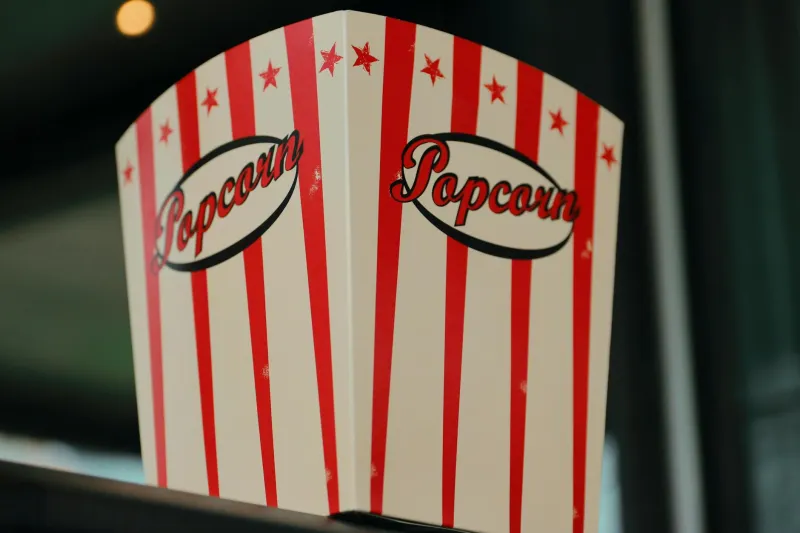
Walk into any American movie theater today and the smell hits you immediately — that unmistakable aroma of butter-soaked popcorn that somehow makes every film feel more exciting. It's so deeply embedded in our entertainment culture that imagining movies without popcorn feels almost un-American. But here's the twist: for the first three decades of cinema, theater owners actively fought to keep popcorn as far away from their establishments as possible.
In the 1920s, movie theaters were temples of sophistication. Silent films attracted educated, upper-class audiences who appreciated cinema as high art. Theater owners modeled their venues after opera houses and legitimate theaters, complete with plush carpets, elegant décor, and an atmosphere of refined entertainment. Popcorn? That was street food — loud, messy, and decidedly low-class.
When Kernels Were the Enemy
The anti-popcorn stance wasn't just snobbery; it was practical. Popcorn was noisy, and silent films required absolute quiet for audiences to read title cards and follow the story. The crunch of kernels disrupted the viewing experience that theater owners worked so hard to cultivate. Many venues posted signs explicitly banning outside food, with popcorn being the primary target.
Street vendors set up shop outside theaters, selling bags of popped corn to moviegoers, but they had to finish their snacks before entering. Theater owners saw these vendors as a nuisance and lobbied city councils to push them away from theater districts. The message was clear: serious cinema and popcorn didn't mix.
But corn had advantages that theater owners couldn't ignore forever. It was cheap to make, profitable to sell, and had an incredibly long shelf life compared to other snacks. The raw kernels cost virtually nothing, and the equipment needed to pop them was simple and affordable. Still, most theater owners held firm to their no-popcorn policies.
The Sound Revolution Changes Everything
The introduction of "talkies" in the late 1920s began shifting the cultural landscape of moviegoing. Sound films attracted broader, more diverse audiences, including working-class families who weren't intimidated by the opera-house atmosphere of silent film venues. Suddenly, the noise issue that made popcorn problematic became irrelevant — audiences could crunch away without drowning out dialogue.
Some forward-thinking theater owners began testing popcorn sales in their lobbies. The profit margins were incredible — a nickel bag of popcorn cost about a penny to make. But old habits die hard, and many established theaters still resisted the humble kernel.
When America Went Broke, Popcorn Saved the Show
Then came October 1929, and everything changed overnight. The stock market crash didn't just destroy fortunes; it fundamentally altered American entertainment habits. Suddenly, families who once enjoyed expensive nights out were counting every penny. Movie tickets, while cheaper than live theater, still represented a significant expense for struggling households.
Theater owners watched their audiences shrink week by week. The sophisticated patrons they'd catered to could no longer afford regular moviegoing. But popcorn? At five cents a bag, it remained accessible even to families hit hard by the Depression. More importantly, that nickel bag provided theater owners with profit margins that could mean the difference between staying open and closing forever.
Desperation breeds innovation. Theater owners who had spent years keeping popcorn vendors off their sidewalks suddenly welcomed them inside. Some purchased their own popping machines and hired staff to work them. The aroma that once seemed beneath their establishment's dignity now became a crucial revenue stream.
The Sweet Smell of Survival
As the Depression deepened, popcorn proved more than just profitable — it became essential. While candy and other snacks required complex supply chains and higher ingredient costs, popcorn could be made on-site with minimal investment. A single bag of kernels could produce dozens of servings, and the overhead was practically nonexistent.
Theaters that embraced popcorn early often survived the Depression's worst years, while those that maintained their anti-snack stance frequently went out of business. The economic reality was harsh but simple: popcorn sales could cover a theater's operating costs even when ticket sales alone couldn't.
By the mid-1930s, the transformation was complete. Popcorn machines became standard fixtures in theater lobbies, their glass cases and spinning kernels as much a part of the moviegoing experience as the silver screen itself. The smell of popping corn became a Pavlovian trigger that signaled entertainment and escape from the harsh realities outside.
The Kernel That Rewrote American Culture
What started as an economic necessity during America's darkest financial hour became a cultural institution that outlasted the crisis by decades. Today, movie theaters make more profit from concession sales than ticket sales, and popcorn remains the foundation of that business model.
The irony is perfect: the snack that represented everything sophisticated theater owners wanted to avoid — cheap, accessible, and slightly messy — became the very thing that saved their industry. Sometimes the most profound cultural changes happen not through careful planning, but through desperate adaptation to circumstances beyond our control.
Every time you smell that buttery aroma wafting through a theater lobby, you're experiencing the legacy of the Great Depression — a reminder that America's most beloved entertainment ritual was born not from appetite, but from the simple need to survive.
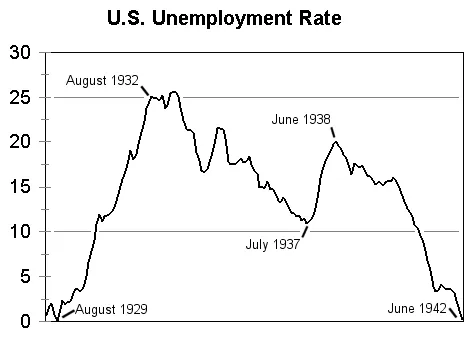 Photo: Great Depression, via thegreatdepressionofthe1920s.weebly.com