Traced It Back Home

Category

Culture

11 articles


How a Floor Cleaner Convinced America It Had a Social Disease

How a Floor Cleaner Convinced America It Had a Social Disease

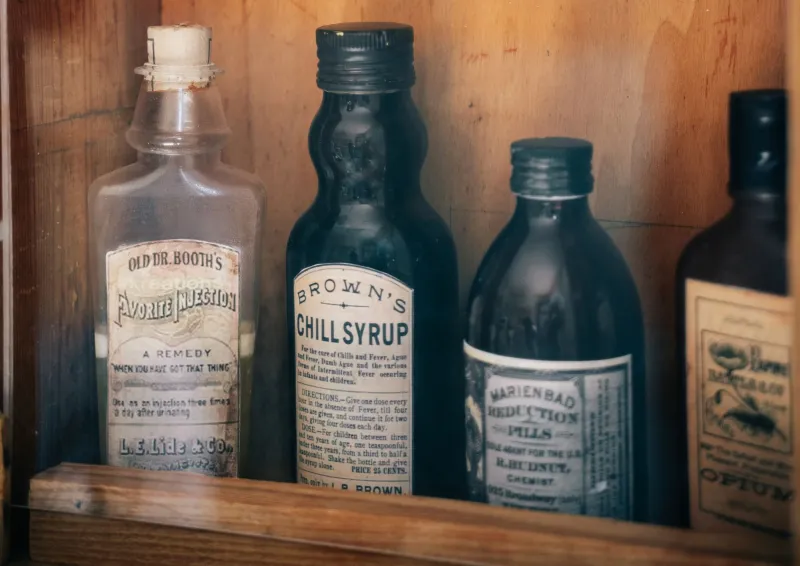
Before Listerine, most Americans had never heard the word 'halitosis' — and most of them weren't particularly worried about their breath. Then one company borrowed a term from medical journals, plastered it across magazine ads, and manufactured one of the most effective social panics in advertising history. The story of how mouthwash became a bathroom cabinet staple is really the story of how a corporation taught a nation to be afraid of itself.

The Sandwich That Soldiers Spit Out — And Kids Couldn't Stop Eating

The Sandwich That Soldiers Spit Out — And Kids Couldn't Stop Eating

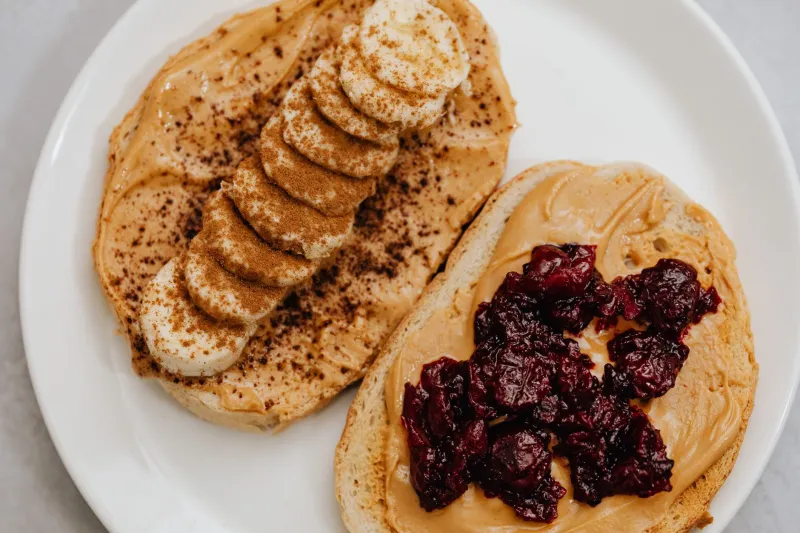
Before it became the most nostalgic lunch in America, the peanut butter and jelly sandwich was a military field ration that troops barely tolerated. Trace how a wartime experiment in portable nutrition quietly escaped the mess hall and conquered every lunchbox in the country.

Before It Chilled Your Beer, It Was Keeping Bodies Cold

Before It Chilled Your Beer, It Was Keeping Bodies Cold

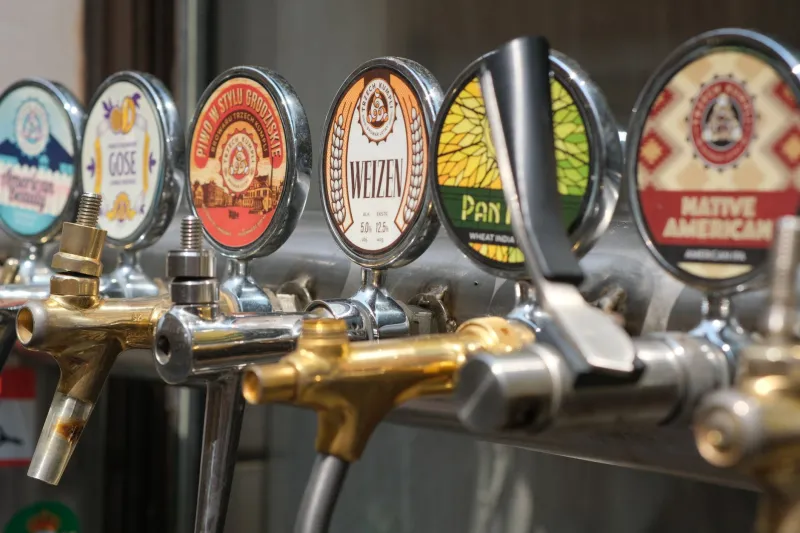
The technology behind your ice-cold draft beer didn't start in a brewery or a bar. It started in a morgue. Follow the strange path mechanical refrigeration took from the funeral parlor to the neighborhood saloon — and how it permanently changed what Americans expect when they order a drink.

It Took Half a Century to Open the Can — Here's Why

It Took Half a Century to Open the Can — Here's Why

The tin can was invented in 1810. The can opener didn't arrive until 1858. For nearly five decades, Americans were expected to hack their food open with a hammer and chisel — and somehow, nobody thought that was strange. The story of how one overlooked kitchen tool finally caught up with its own container is stranger than you'd expect.

How a Mouthwash Brand Convinced America That Breathing Was Embarrassing

How a Mouthwash Brand Convinced America That Breathing Was Embarrassing

Before the 1920s, bad breath wasn't really a social problem — it was just a fact of life, like having a cold or getting sunburned. Then one mouthwash company borrowed a term from surgical antiseptic manuals, ran a series of devastatingly manipulative ads, and turned ordinary human odor into a source of shame that Americans are still spending billions of dollars a year trying to fix.

The Government Reject That Stocked America's Snack Aisle

The Government Reject That Stocked America's Snack Aisle

During World War II, military food scientists developed a compact, shelf-stable ration that soldiers flatly refused to eat. Nobody wanted it — until it quietly escaped the surplus warehouses and rewired how Americans snack forever.

How the Funeral Flower Crashed America's Prom Night

How the Funeral Flower Crashed America's Prom Night

For most of American history, carnations and chrysanthemums meant one thing: death. Then a handful of florists, department stores, and early ad men quietly decided they meant something else entirely — and somehow, it worked.

The Wartime Paper Crisis That Rewrote How America Thinks

The Wartime Paper Crisis That Rewrote How America Thinks

World War II fountain pen ink rationing created desperate demand for an obscure Hungarian invention. The ballpoint pen didn't just change how Americans wrote — it accidentally transformed how students learn to think on paper.

The Graveyard Grass That Taught America to Obsess Over Perfect Lawns

The Graveyard Grass That Taught America to Obsess Over Perfect Lawns

America's weekly lawn mowing ritual isn't rooted in nature love or practical necessity. It traces back to Victorian cemetery design, postwar housing developers, and a brilliant marketing campaign that convinced millions of homeowners they needed machines to maintain grass that didn't need maintaining.